
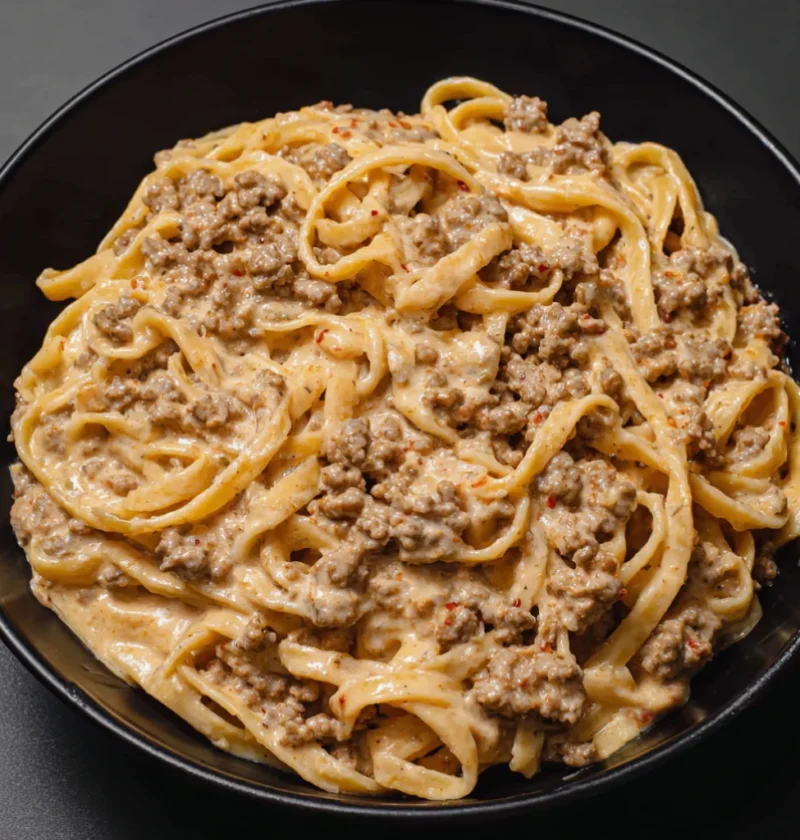
If you’re searching for a fusion dish that tantalizes your taste buds, look no further than Creamy Mapo Tofu Udon. This recipe bridges the rich, spicy flavors of Sichuan cuisine with the comforting texture of udon noodles, creating a delightful meal that’s perfect for any time of the week. Imagine creamy, spicy tofu stirring up the umami flavors, enveloping each tender udon noodle in a savory embrace. The contrast of textures—from the silkiness of the sauce to the chewiness of the noodles—makes each bite a culinary adventure. Whether you’re a fan of traditional Mapo tofu or simply looking for a new way to enjoy udon noodle dishes, this recipe is sure to become a staple in your home.
Ingredients
- For the creamy sauce:
- 1/2 cup of vegetable broth
- 1/4 cup of coconut milk
- 2 tablespoons of soy sauce
- 1 tablespoon of chili bean paste (Doubanjiang)
- 1 teaspoon of sesame oil
- For the udon:
- 8 ounces of udon noodles, preferably fresh for the best texture
- For the tofu:
- 14 ounces of firm tofu, diced into uniform cubes for even cooking
- 2 tablespoons of cornstarch, which will help achieve a delightful crispiness
- 2 tablespoons of vegetable oil, or more if needed for frying
- For the stir-fry:
- 1 tablespoon of minced garlic, approximately 3-4 cloves
- 1 tablespoon of minced ginger, freshly grated for optimal flavor
- 1/2 cup of green onions, chopped, to add a fresh, aromatic note
- 1/2 cup of bell peppers, diced, any color for a vibrant appearance
Steps / Instructions
- Prepare the udon: Cook the udon noodles according to the package instructions. Generally, this involves boiling them in salted water for about 5-8 minutes. Drain and set aside, ensuring they are not overcooked.
- Prepare the tofu: Toss the diced tofu in cornstarch until evenly coated. This will help it crisp up nicely during frying, adding a satisfying texture to your creamy Mapo Tofu Udon.
- Fry the tofu: In a large skillet or wok, heat vegetable oil over medium heat. Add the tofu and cook until golden brown on all sides, about 5-7 minutes. Aim for crispy edges to enhance the overall dish. Remove and set aside on a paper towel to absorb excess oil.
- Make the sauce: In the same skillet, add minced garlic and ginger. Stir-fry for about 30 seconds or until fragrant, taking care not to burn them, as this can impart a bitter flavor.
- Add vegetables: Mix in the bell peppers and half of the green onions. Stir-fry for an additional 2-3 minutes until slightly softened, maintaining some crunch for texture.
- Combine sauce ingredients: In a bowl, whisk together vegetable broth, coconut milk, soy sauce, chili bean paste, and sesame oil. Pour this mixture into the skillet and bring to a simmer, allowing the flavors to meld beautifully.
- Add the tofu: Gently fold the crispy tofu into the sauce, allowing it to soak up the flavors for about 2 minutes. This step is crucial as it integrates the textures and ensures every bite is flavorful.
- Toss in the noodles: Add the cooked udon noodles to the skillet, tossing everything together until well-coated and heated through. Cook for an additional 1-2 minutes, making sure that the sauce clings to the noodles.
- Garnish and serve: Top with remaining green onions and serve hot. Enjoy your creamy Mapo Tofu Udon, relishing the rich flavors and textures!
Tips & Tricks
To achieve the best texture for the tofu, make sure to use firm or extra firm tofu. You can press it to remove excess moisture for an even crisper finish. If you want to make this a quick weeknight meal, prepare the creamy sauce and chop the vegetables ahead of time. This dish also makes great leftovers; store any uneaten portions in an airtight container in the refrigerator for up to three days. When reheating, add a splash of water to loosen the sauce, ensuring it remains creamy and flavorful. You can learn more about this topic.
Variations
For a vegan version of Creamy Mapo Tofu Udon, simply ensure that your ingredients such as soy sauce and chili bean paste are vegan-friendly. You can also experiment by adding other vegetables like mushrooms or spinach for added nutrition and flavor. For a gluten-free option, substitute the udon noodles with rice noodles or zucchini noodles, and use tamari instead of soy sauce. Check out our related guide for more tips on enhancing your dish.
Serving Suggestions
This dish is delicious on its own but can be paired with a light cucumber salad or served alongside steamed bok choy for a balanced meal. A drizzle of additional sesame oil or a sprinkle of toasted sesame seeds on top enhances the flavor and presentation, while a side of pickled vegetables can add a refreshing contrast. Serving in a deep bowl allows the vibrant colors of the creamy Mapo Tofu Udon to shine through, making it visually enticing.
FAQ
What is Mapo Tofu?
Mapo Tofu is a traditional Sichuan dish known for its spicy, numbing flavors primarily derived from Doubanjiang (spicy bean paste) and Sichuan peppercorns. In this recipe, we create a creamy version to complement the udon noodles, offering a delightful twist on a classic.
Can I use different noodles?
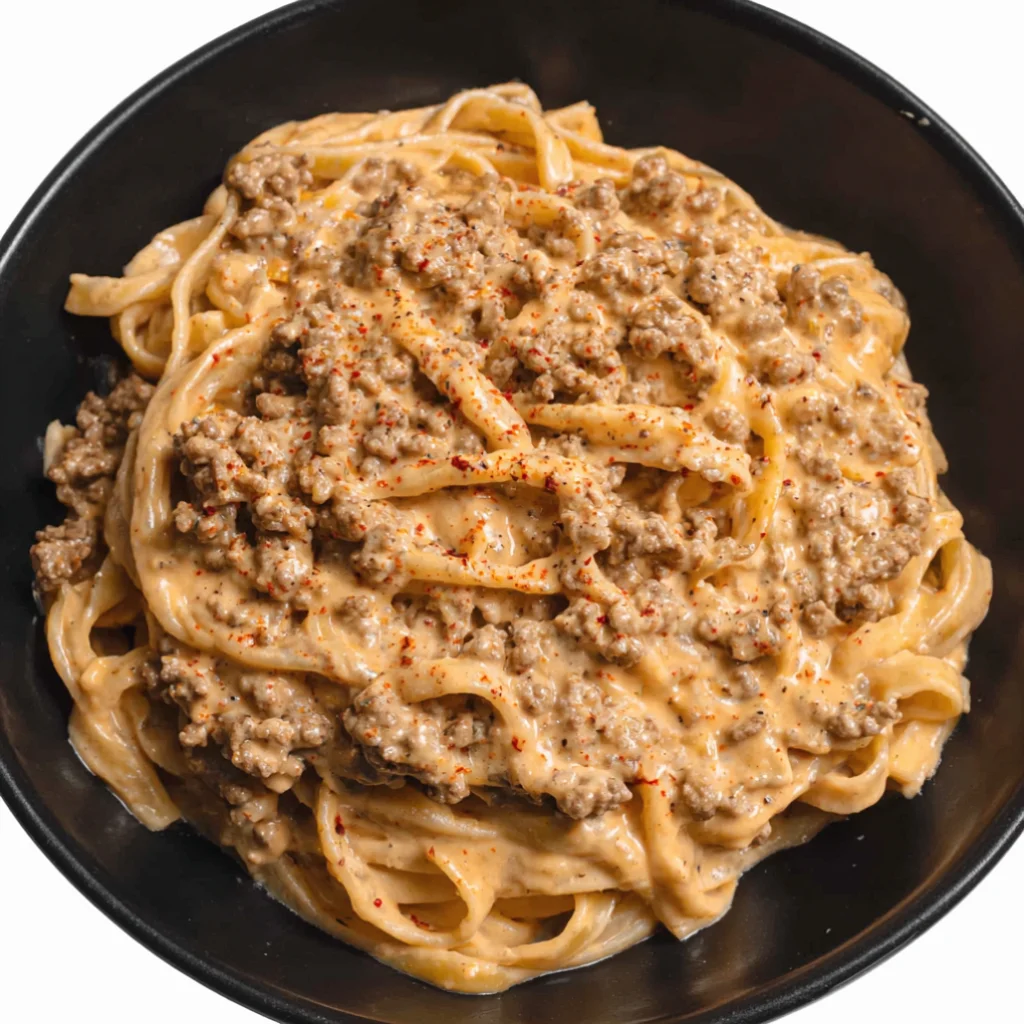
Yes, while udon noodles are perfect for this dish, you can certainly substitute them with other types of noodles, such as soba or rice noodles depending on your preference. Just be mindful of cooking times, as they may vary.
How can I adjust the spiciness?
Feel free to reduce the amount of chili bean paste or replace it with a milder sauce if you prefer a less spicy dish. Alternatively, you can add more to intensify the heat! Taste as you go to achieve your desired level of spiciness.
Are there other ways to use the sauce?
Absolutely! This creamy sauce works great with other proteins like chicken or shrimp, or you can use it as a base for other stir-fried vegetable dishes, making it versatile for your culinary explorations.
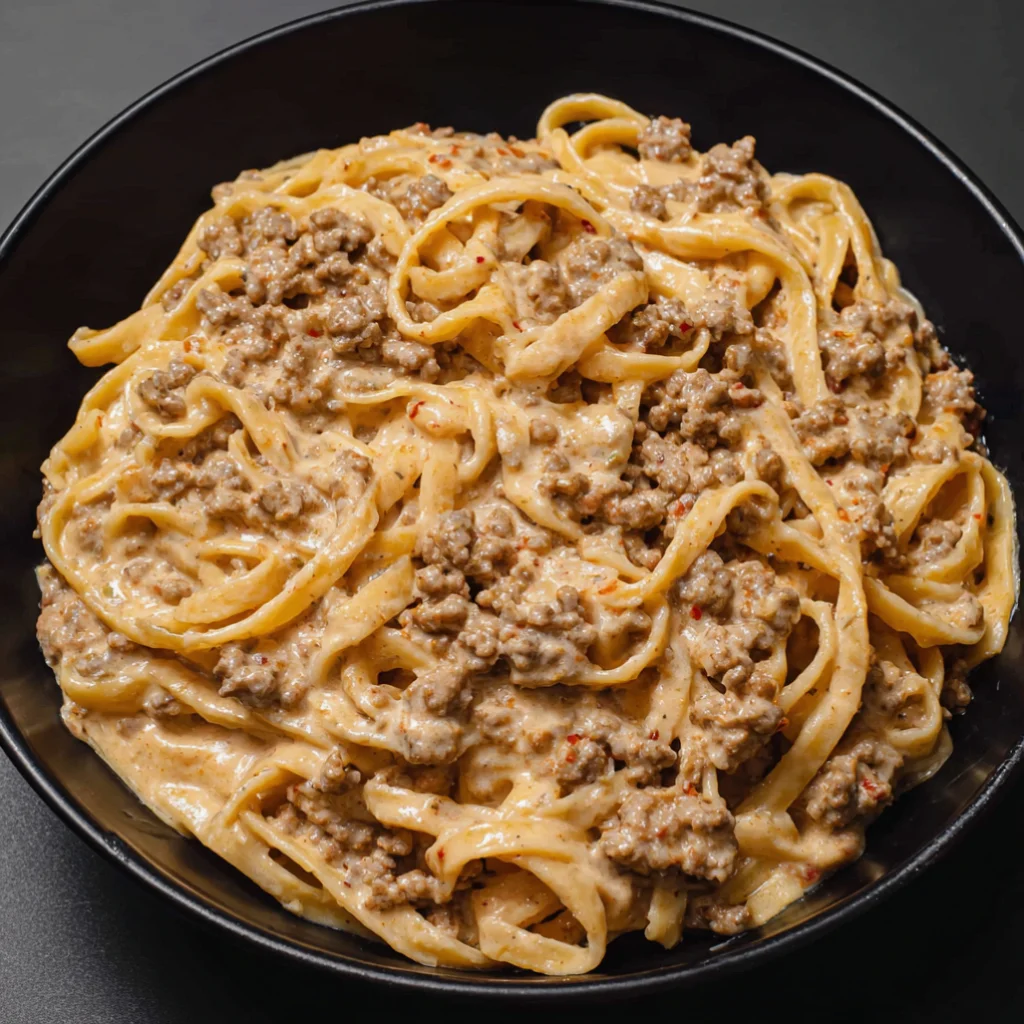
Creamy Mapo Tofu Udon
A fusion dish that bridges the rich, spicy flavors of Sichuan cuisine with the comforting texture of udon noodles, creating a delightful meal that's perfect for any time of the week.
Ingredients
- 1/2 cup of vegetable broth
- 1/4 cup of coconut milk
- 2 tablespoons of soy sauce
- 1 tablespoon of chili bean paste (Doubanjiang)
- 1 teaspoon of sesame oil
- 8 ounces of udon noodles, preferably fresh
- 14 ounces of firm tofu, diced
- 2 tablespoons of cornstarch
- 2 tablespoons of vegetable oil
- 1 tablespoon of minced garlic
- 1 tablespoon of minced ginger
- 1/2 cup of green onions, chopped
- 1/2 cup of bell peppers, diced
Directions
Cook the udon noodles according to the package instructions. Generally, this involves boiling them in salted water for about 5-8 minutes. Drain and set aside.
Toss the diced tofu in cornstarch until evenly coated.
In a large skillet or wok, heat vegetable oil over medium heat. Add the tofu and cook until golden brown on all sides, about 5-7 minutes. Remove and set aside on a paper towel.
In the same skillet, add minced garlic and ginger. Stir-fry for about 30 seconds or until fragrant.
Mix in the bell peppers and half of the green onions. Stir-fry for an additional 2-3 minutes.
In a bowl, whisk together vegetable broth, coconut milk, soy sauce, chili bean paste, and sesame oil. Pour this mixture into the skillet and bring to a simmer.
Gently fold the crispy tofu into the sauce and let it soak for about 2 minutes.
Add the cooked udon noodles to the skillet, tossing everything together until well-coated and heated through. Cook for an additional 1-2 minutes.
Top with remaining green onions and serve hot.
Nutrition Facts
Recipe Reviews
- ★★★★★
Excellent recipe!
Leave a Reply
Your email address will not be published. Required fields are marked *








Excellent recipe!