
Introduction
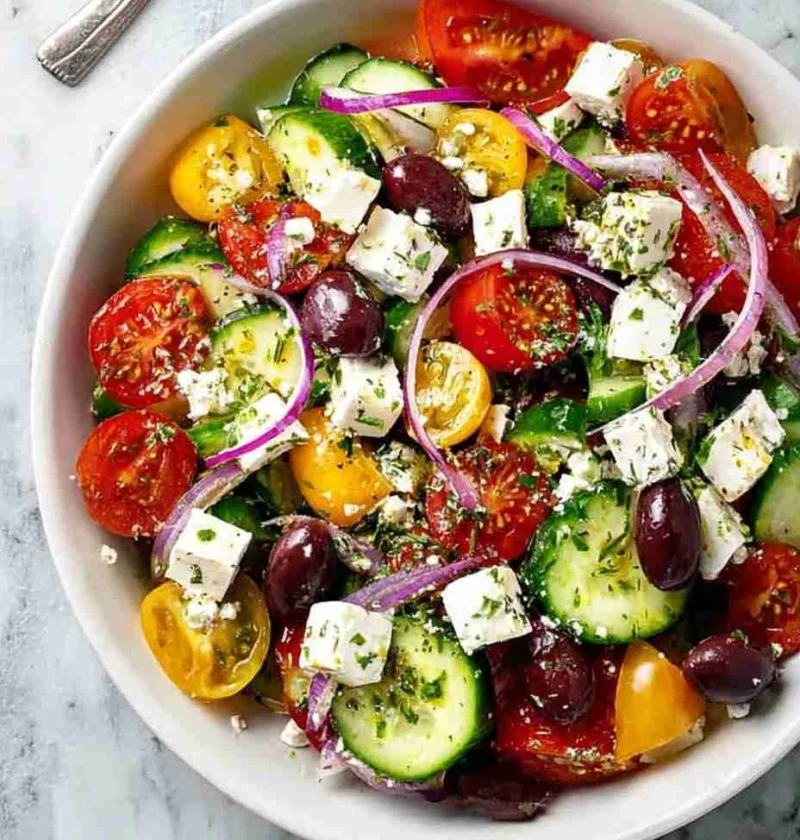
Imagine yourself sitting in a quaint taverna overlooking the azure waters of the Aegean Sea, a gentle breeze carrying the scent of olive groves and the sound of bouzouki music in the background. In that picturesque setting, what could be more fitting than savoring the best authentic Greek salad recipe, a culinary delight that encapsulates the essence of Mediterranean cuisine?
Today, we embark on a gastronomic journey to uncover the secrets of the traditional Greek village salad ingredients and learn how to make Greek salad like in Greece. This iconic dish, also known as Horiatiki salad, is a vibrant medley of fresh vegetables, tangy feta cheese, briny olives, and aromatic herbs, all drizzled with a luscious dressing that elevates the flavors to new heights.
As we delve into the art of crafting this beloved dish, we will explore the cultural history of Greek salad and discover the nuances of selecting the best tomatoes for an authentic Greek salad. Join me as we unravel the nuances of this classic recipe and embrace the Mediterranean spirit it embodies.
Why You’ll Love This Recipe
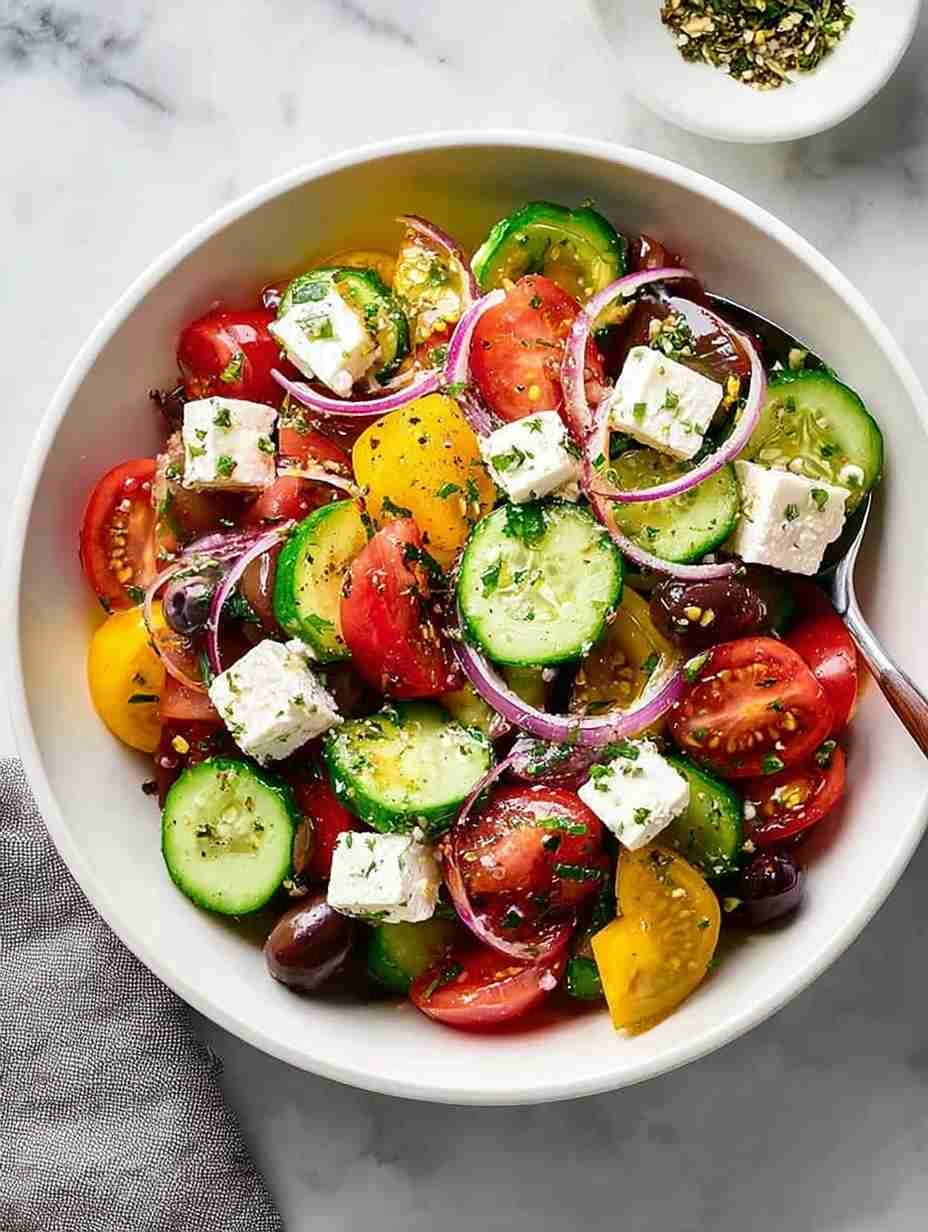
Indulge in the simplicity and wholesomeness of this Greek salad recipe with authentic feta, a dish that celebrates the beauty of fresh, high-quality ingredients. Whether you are a seasoned cook or a beginner in the kitchen, this recipe offers a delightful culinary experience that is both easy to prepare and immensely satisfying.
Moreover, this easy traditional Greek salad for beginners is not only a feast for the taste buds but also a nutritious choice, providing a burst of vitamins, minerals, and antioxidants. Its low-calorie profile makes it a guilt-free indulgence, perfect for those seeking a healthy yet flavorful meal option.
With its vibrant colors, robust flavors, and refreshing taste, this Horiatiki salad is a versatile dish that can stand alone as a light meal or serve as a vibrant side dish to complement a variety of main courses. Its versatility and simplicity make it a staple in Greek households and a favorite in restaurants worldwide.
Ingredients
For this authentic Greek salad dressing recipe, you will need the following ingredients:
– Ripe tomatoes, preferably heirloom or vine-ripened
– Cucumbers, preferably seedless or English
– Red onion, thinly sliced
– Green bell pepper, seeded and sliced
– Kalamata olives, pitted
– Authentic feta cheese, crumbled
– Extra virgin olive oil
– Red wine vinegar
– Dried oregano
– Sea salt and freshly ground black pepper to taste
Feel free to personalize your salad by adding capers for an extra burst of briny flavor or substituting green olives for Kalamata olives based on your preference. The key lies in using the freshest ingredients available to truly capture the essence of this classic Greek dish.
Step-by-Step Instructions
1. Start by washing and drying the tomatoes, cucumbers, and bell pepper. Cut the tomatoes into wedges, slice the cucumbers into rounds, and dice the bell pepper into bite-sized pieces.
2. In a large salad bowl, combine the tomatoes, cucumbers, bell pepper, and red onion. Toss gently to mix the vegetables evenly.
3. Add the Kalamata olives and crumbled feta cheese to the bowl, distributing them throughout the salad.
4. In a small jar, whisk together the olive oil, red wine vinegar, oregano, salt, and pepper to create the dressing. Adjust the seasoning to taste.
5. Drizzle the dressing over the salad and toss gently to coat the ingredients with the flavorful dressing.
6. Let the salad rest for a few minutes to allow the flavors to meld together before serving. Garnish with extra feta and a sprinkle of oregano, if desired.
Expert Tips for Success
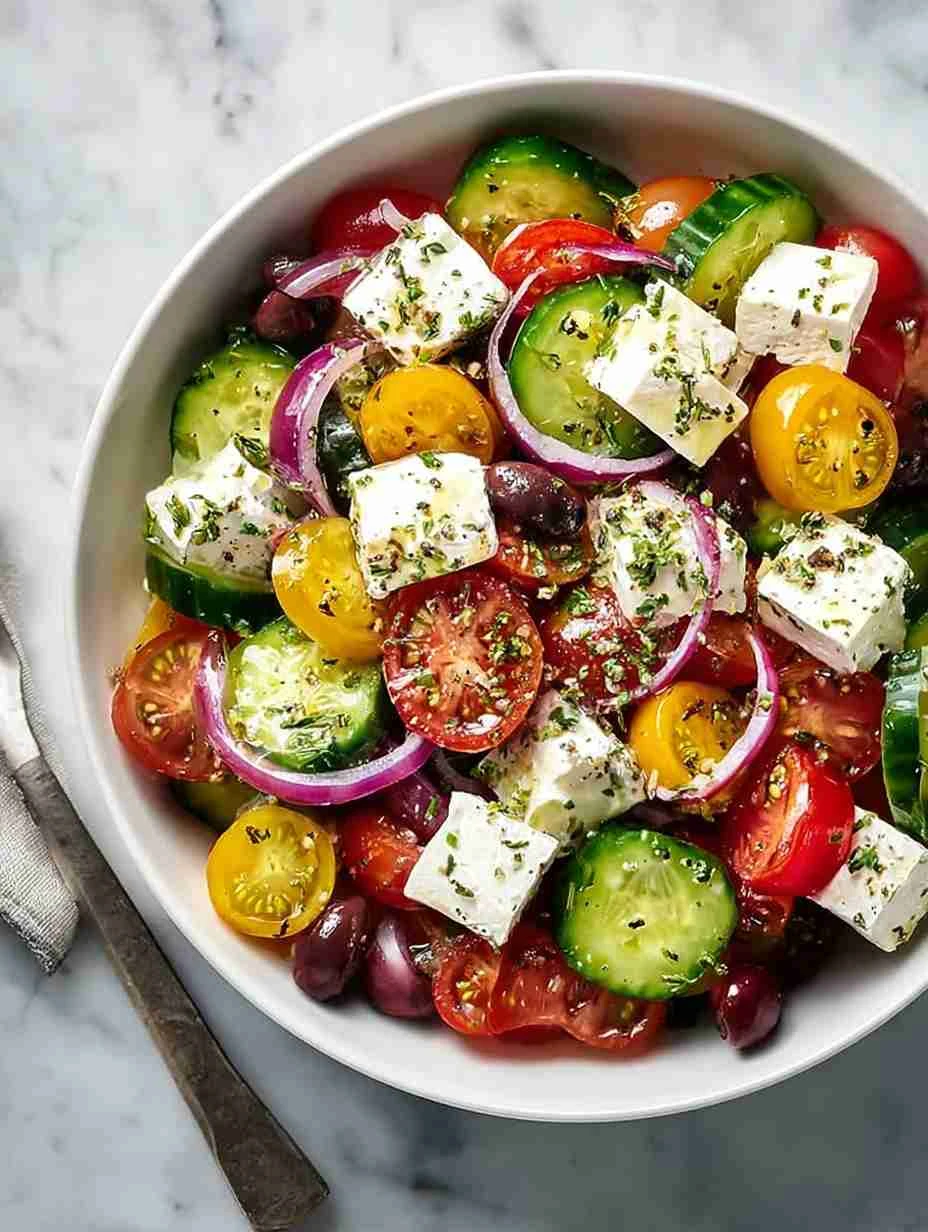
To enhance the flavors of this homemade Horiatiki salad, consider marinating the diced red onions in a mixture of vinegar and water for a milder taste. Additionally, using authentic Greek feta cheese made from sheep’s milk lends a rich and creamy texture that elevates the salad.
When choosing the best tomatoes for an authentic Greek salad, opt for ripe, juicy varieties such as Roma or beefsteak tomatoes for optimal flavor and texture. The quality of the ingredients is key to achieving an outstanding salad that captures the essence of Greek culinary traditions.
Avoid overdressing the salad to prevent it from becoming soggy. Start by adding a small amount of dressing and gradually increase as needed, ensuring that the vegetables remain crisp and flavorful.
For a refreshing twist, you can sprinkle some chopped fresh mint or parsley over the salad before serving. These aromatic herbs add a burst of freshness and complexity to the dish, enhancing its overall appeal.
Variations and Substitutions
If you prefer a lighter version of the traditional Greek salad recipe, you can omit the lettuce typically used in Americanized versions and let the vibrant vegetables take center stage. This modification stays true to the authentic Horiatiki salad enjoyed in Greece.
For a unique twist, consider adding grilled shrimp or chicken to the salad to create a more substantial meal. The protein will complement the freshness of the vegetables and add a satisfying element to the dish.
If you are looking to cater to vegetarian or vegan preferences, you can substitute the feta cheese with a dairy-free alternative or enhance the salad with toasted pine nuts or chickpeas for added protein and texture.
Experiment with different combinations of herbs and spices to customize the dressing according to your taste. Fresh basil, thyme, or a touch of crushed garlic can infuse the dressing with additional layers of flavor, creating a personalized touch to your Greek salad.
Serving Suggestions
To fully enjoy the flavors of this authentic Greek salad, serve it chilled as a refreshing appetizer or light meal on a warm summer day. Pair it with crusty bread or pita for a satisfying Mediterranean-inspired experience that transports you to the shores of Greece.
For a complete Greek dining experience, consider serving the salad alongside classic dishes such as Spanakopita (spinach pie), Souvlaki (grilled meat skewers), or Moussaka (eggplant casserole) for a feast that celebrates the richness of Greek cuisine.
Complement the flavors of the salad with a glass of crisp Assyrtiko wine or a refreshing glass of Ouzo, the traditional Greek anise-flavored spirit. These beverage pairings enhance the meal and offer a true taste of Greek hospitality and conviviality.
FAQs
Q: Can I prepare the Greek salad in advance?
A: While it is best enjoyed fresh, you can prepare the components of the salad ahead of time and assemble them just before serving to maintain the crispness of the vegetables.
Q: Can I customize the ingredients based on dietary preferences?
A: Absolutely! Feel free to adjust the ingredients to suit your dietary needs, such as omitting the cheese for a vegan version or adding more protein-rich elements for a heartier meal.
Q: How long can the Greek salad be stored?
A: Leftover Greek salad can be stored in an airtight container in the refrigerator for up to two days. However, it is best consumed fresh to enjoy the vibrant flavors and textures.
Q: Can I use other types of olives in the salad?
A: While Kalamata olives are traditional, you can experiment with different varieties such as green olives or Cerignola olives to add your own twist to the recipe.
Final Thoughts
As we conclude our culinary exploration of the authentic Greek salad recipe, let the vibrant colors, robust flavors, and rich history of this Mediterranean classic inspire your next culinary creation. Embrace the simplicity and elegance of this dish, and savor each bite as a tribute to the timeless traditions of Greek cuisine.
Whether you are hosting a festive gathering, enjoying a leisurely meal with loved ones, or simply craving a taste of the Mediterranean, this Greek salad offers a delightful escape to the sun-kissed shores of Greece. So, gather your ingredients, follow the step-by-step instructions, and embark on a culinary journey that celebrates the essence of Greek hospitality and culinary heritage.
Authentic Greek Salad Recipe
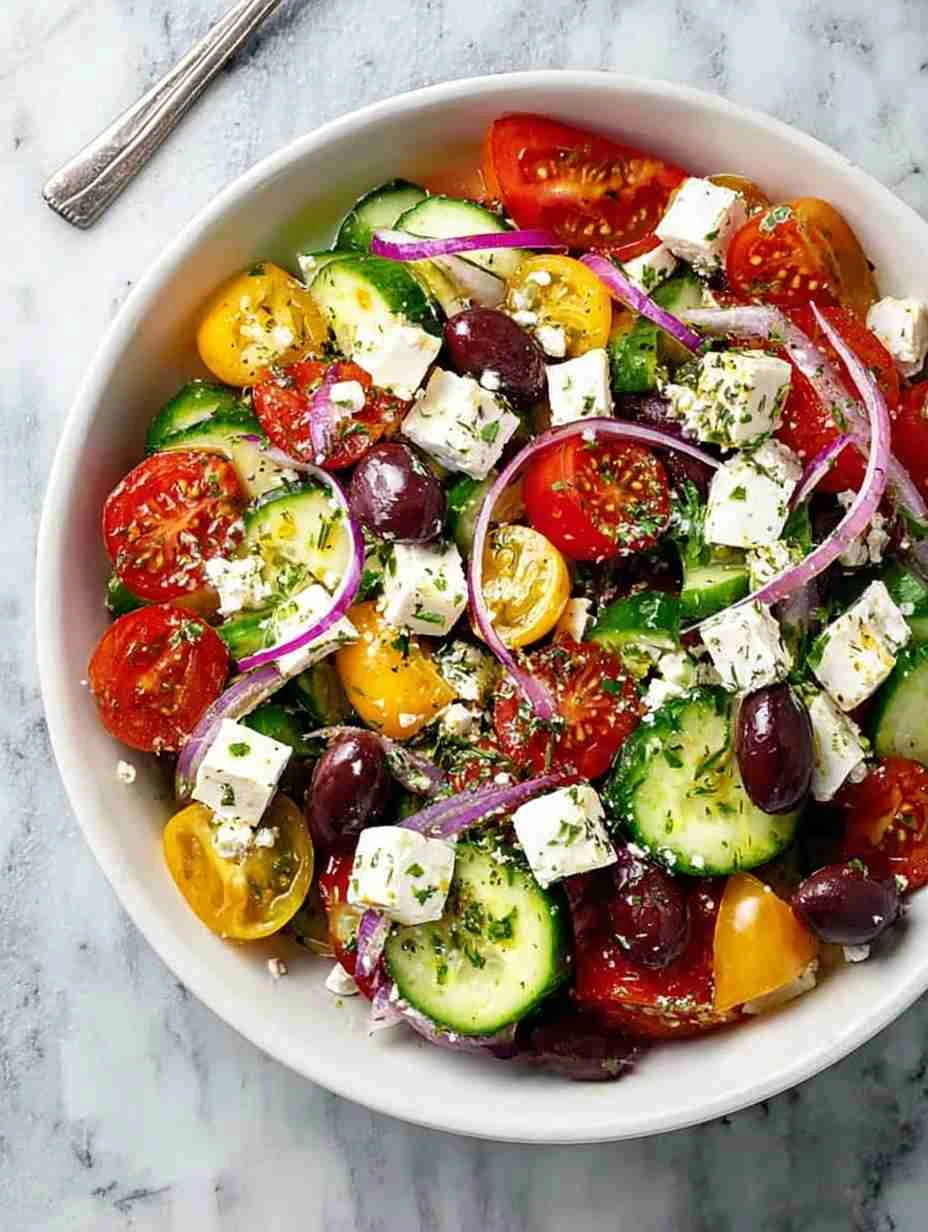
Indulge in the simplicity and wholesomeness of this Greek salad recipe with authentic feta, a dish that celebrates the beauty of fresh, high-quality ingredients. This iconic dish, also known as Horiatiki salad, is a vibrant medley of fresh vegetables, tangy feta cheese, briny olives, and aromatic herbs, all drizzled with a luscious dressing that elevates the flavors to new heights.
Ingredients
- 4 ripe tomatoes, preferably heirloom or vine-ripened
- 2 cucumbers, preferably seedless or English
- 1 red onion, thinly sliced
- 1 green bell pepper, seeded and sliced
- 1/2 cup Kalamata olives, pitted
- 1 cup authentic feta cheese, crumbled
- 1/4 cup extra virgin olive oil
- 2 tablespoons red wine vinegar
- 1 teaspoon dried oregano
- Sea salt and freshly ground black pepper to taste
Directions
-
Start by washing and drying the tomatoes, cucumbers, and bell pepper. Cut the tomatoes into wedges, slice the cucumbers into rounds, and dice the bell pepper into bite-sized pieces.
-
In a large salad bowl, combine the tomatoes, cucumbers, bell pepper, and red onion. Toss gently to mix the vegetables evenly.
-
Add the Kalamata olives and crumbled feta cheese to the bowl, distributing them throughout the salad.
-
In a small jar, whisk together the olive oil, red wine vinegar, oregano, salt, and pepper to create the dressing. Adjust the seasoning to taste.
-
Drizzle the dressing over the salad and toss gently to coat the ingredients with the flavorful dressing.
-
Let the salad rest for a few minutes to allow the flavors to meld together before serving. Garnish with extra feta and a sprinkle of oregano, if desired.